
Table of Contents
ToggleHow the Heart, Blood, and Circulatory System Keep You Alive
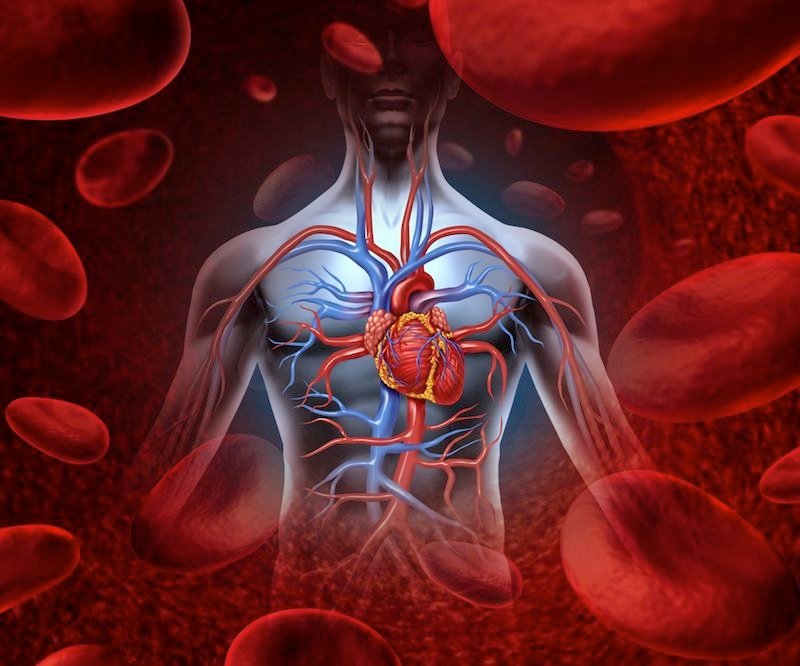
How the Heart, Blood, and Circulatory System Keep You Alive
Your Blood, Heart and Circulation work together like an unstoppable life engine beating, flowing, and delivering the oxygen and nutrients your body needs to stay alive. From the moment you wake up to the time you sleep, this powerful trio silently performs miracles inside you every second. Let’s take a fascinating journey through your body’s most vital system and discover how it truly keeps you alive
The Powerhouse Within: Understanding Blood, Heart and Circulation
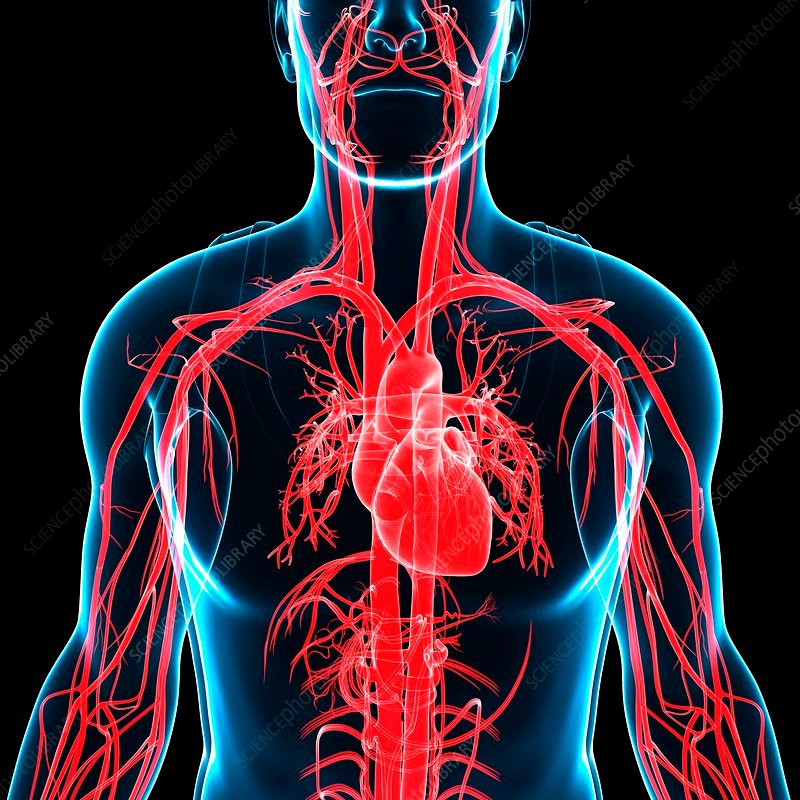
Your Blood, Heart and Circulation system forms the core of your body’s life support mechanism. Without it, no cell could receive oxygen, no organ could function, and life itself would come to a stop.
At its simplest:
The heart acts as the pump.
The blood is the transport medium.
The circulation system is the network of highways (arteries, veins, and capillaries).
Together, they ensure every cell from your brain to your toes gets what it needs to survive.
How the Heart Keeps Beating for a Lifetime
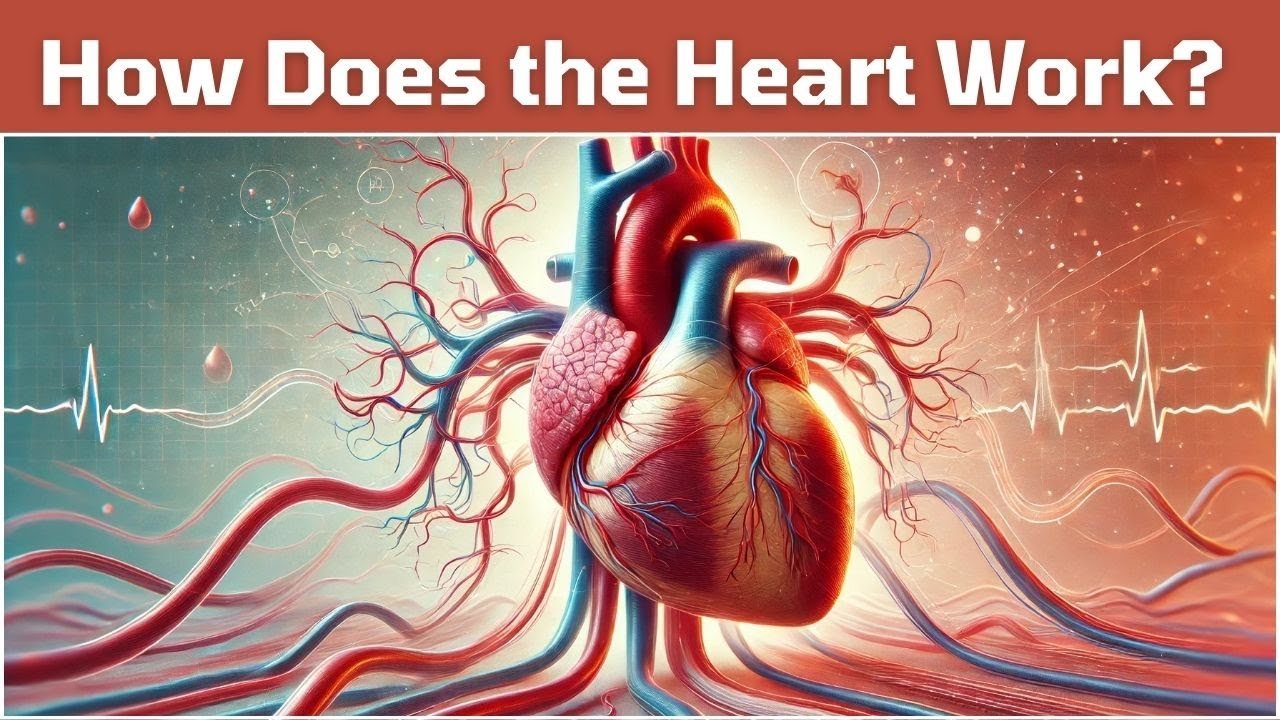
Your heart is a tireless organ that never stops. It beats around 100,000 times per day, pushing nearly 7,500 liters of blood through your body daily.
The Structure of the Heart
The human heart is divided into four chambers:
Right Atrium – Receives oxygen-poor blood from the body.
Right Ventricle – Pumps that blood to the lungs for oxygenation.
Left Atrium – Receives oxygen-rich blood from the lungs.
Left Ventricle – Pumps oxygenated blood to the rest of the body.
This rhythmic process, known as the cardiac cycle, is what keeps blood continuously moving throughout your Blood, Heart and Circulation System.
The Role of Blood in the Circulatory Process
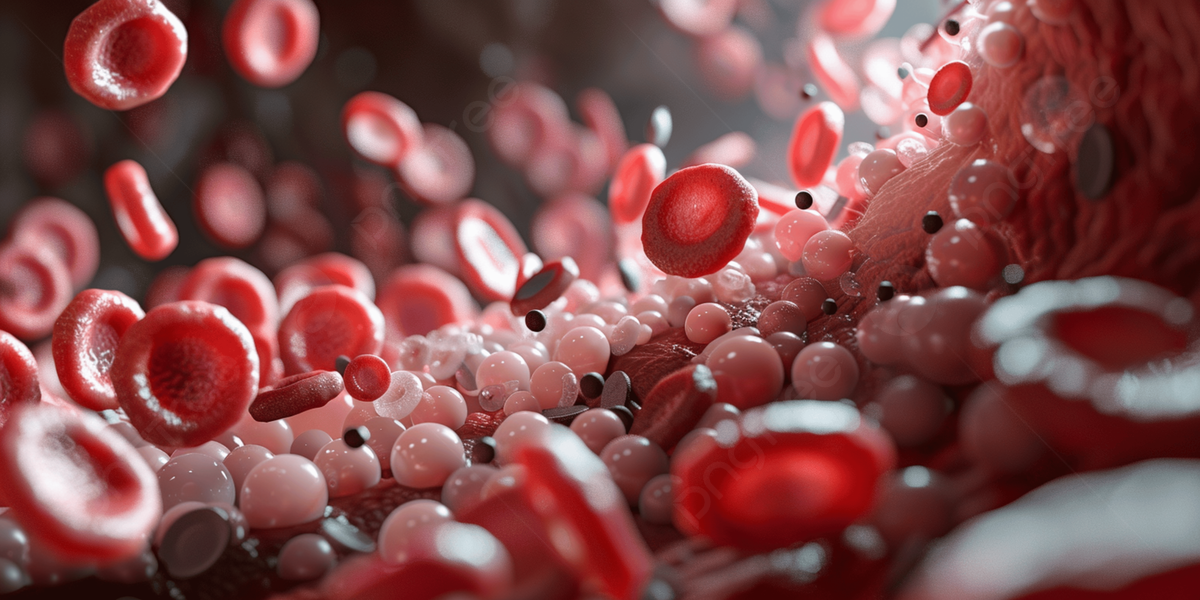
Blood is more than just a red liquid. It’s a dynamic, living tissue that carries vital substances.
What’s in Your Blood?
Red Blood Cells (RBCs): Carry oxygen with the help of hemoglobin.
White Blood Cells (WBCs): Defend your body against infection.
Platelets: Help your blood clot when you’re injured.
Plasma: The liquid part that carries nutrients, hormones, and waste.
Every heartbeat sends blood through the arteries, and your veins return it after exchanging oxygen for carbon dioxide. This cycle never stops it’s the true engine of life.
How Circulation Keeps the Body Alive
The circulatory system is a vast network of over 60,000 miles of blood vessels. That’s long enough to circle the Earth twice!
It has two main circuits:
Pulmonary Circulation: Moves blood between the heart and lungs to get oxygen.
Systemic Circulation: Delivers that oxygen-rich blood throughout your body.
This constant flow ensures that:
Your brain receives enough oxygen to think.
Your muscles get energy for movement.
Your organs remove waste efficiently.
Without Blood, Heart and Circulation, even a few minutes of interruption can cause severe damage — or death.
How These Systems Work in Harmony
Here’s how the Blood, Heart and Circulation System works in perfect synchronization:
The heart pumps oxygen-poor blood to the lungs.
The lungs infuse it with oxygen and send it back to the heart.
The heart pumps oxygen-rich blood through arteries to the body.
Cells absorb oxygen and release carbon dioxide.
Veins return oxygen-poor blood back to the heart, completing the loop.
It’s a beautifully designed cycle happening every second of your life without conscious thought.
Fun Facts About Blood, Heart and Circulation
The heart creates enough pressure to shoot blood 30 feet in the air!
An average adult has about 5 liters of blood circulating in the body.
Capillaries are so tiny that 10 of them fit inside a human hair.
The sound of your heartbeat is actually the valves closing as blood moves.
If you could stretch your blood vessels, they’d wrap around the Earth twice

Why a Healthy Circulatory System Matters
A strong Blood, Heart and Circulation System means:
Better oxygen delivery to muscles.
Improved brain function.
Enhanced energy and endurance.
Faster healing and detoxification.
When your circulation is poor, you may experience fatigue, dizziness, or cold extremities. Long-term issues can lead to heart disease, high blood pressure, and stroke
How to Keep Your Blood, Heart and Circulation Healthy
Taking care of your circulatory system doesn’t require magic just smart daily choices:
Eat Heart Friendly Foods
Include:
Leafy greens (spinach, kale)
Fatty fish (salmon, mackerel)
Nuts and seeds (walnuts, flaxseed)
Berries (antioxidants improve blood flow)
Avoid excessive salt, sugar, and trans fats they can block your arteries.
Move Your Body
Exercise keeps your Blood, Heart and Circulation System strong.
Aim for:
30 minutes of cardio (like walking or cycling) daily.
Stretching and breathing exercises to boost oxygen flow.
Quit Smoking
Smoking damages your blood vessels and decreases oxygen supply. Quitting can immediately improve circulation.
Stay Hydrated
Water helps your blood stay fluid, allowing nutrients and oxygen to move easily.
Manage Stress
Chronic stress increases blood pressure. Try yoga, meditation, or deep breathing for a calmer heart
Diseases That Affect Blood, Heart and Circulation
Despite their strength, these systems are prone to various disorders, such as:
Atherosclerosis: Hardening of arteries due to plaque buildup.
Hypertension: High blood pressure from narrow arteries.
Heart Attack: Blocked blood flow to part of the heart.
Stroke: Interrupted blood supply to the brain.
Anemia: Low red blood cell count, reducing oxygen delivery.
Regular check-ups and a balanced lifestyle can prevent most of these issues.
Interesting Facts Around the World
The blue whale’s heart is the largest it weighs about 180 kg!
The heart of a hummingbird beats over 1,200 times per minute.
Space travel affects human circulation because gravity helps push blood down astronauts often have puffy faces due to fluid redistribution!
These fascinating examples remind us how vital and adaptable the Blood, Heart and Circulation System truly is.
Conclusion: Why Blood, Heart and Circulation Are the Essence of Life
Your Blood, Heart and Circulation are not just biological systems — they’re the reason you’re alive, breathing, and thinking right now. Every beat, every pulse, and every drop of blood tells the story of your existence.
By eating right, staying active, and managing stress, you can ensure your Blood, Heart and Circulation System keeps working efficiently for decades to come. After all, a healthy heart isn’t just about living longer — it’s about living better.
FAQs About Blood, Heart and Circulation
Q1. What is the function of the Blood, Heart and Circulation System?
It transports oxygen, nutrients, and hormones throughout the body while removing waste like carbon dioxide.
Q2. How much blood does the human heart pump daily?
The heart pumps around 7,500 liters of blood every day through the circulatory system.
Q3. What are common diseases affecting Blood, Heart and Circulation?
Conditions like high blood pressure, heart attack, stroke, and anemia are common circulatory problems.
Q4. How can I naturally improve my circulation?
Regular exercise, hydration, and eating foods rich in omega-3 and antioxidants can boost blood flow.
Q5. Why is Blood, Heart and Circulation so important for survival?
They work together to deliver life-sustaining oxygen and nutrients to every cell, keeping all body systems functioning properly