
Table of Contents
ToggleMastering Medieval Total War for Ultimate Domination
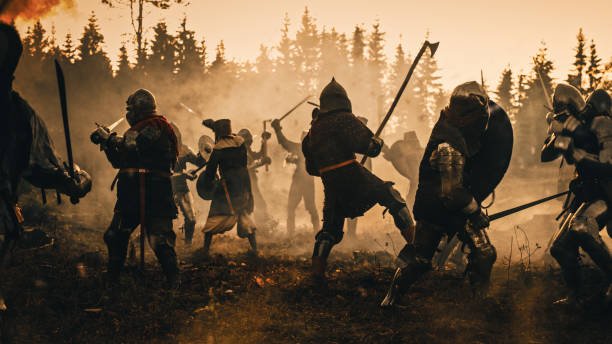
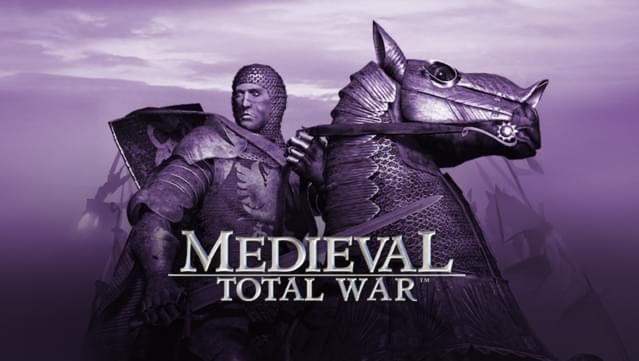
If you want to rise as the strongest kingdom on the map, you need more than brute force—you need strategy, timing, and mastery over every battlefield mechanic in Medieval Total War. This legendary strategy title offers deep tactical gameplay, massive factions, and relentless AI opponents that punish even the slightest mistake. In this guide, you’ll learn powerful Medieval Total War Tips & Tricks that will help you conquer territories faster, win battles decisively, and build an unstoppable empire.
Whether you’re a beginner struggling with early-game survival or an experienced player wanting to refine your war strategy, this 2000-word guide gives you everything you need to dominate Medieval Total War like a true medieval warlord.
Why Strategy Matters in Medieval Total War
Winning battles is only one part of the journey; ruling the medieval world requires a balance between economy, diplomacy, religion, and tactical warfare. With multiple factions, dynamic wars, rebellions, and ever-changing alliances, every decision you make impacts your kingdom’s long-term survival.
This guide provides the perfect balance of gameplay essentials and advanced Medieval Total War Tips & Tricks, ensuring both rookies and veterans gain valuable insights.
Essential Medieval Total War Tips & Tricks for Beginners
New players often struggle not because the game is hard—but because they jump into battles without understanding the core mechanics. These foundational tips will set up your kingdom for long-term success.
1. Choose the Right Faction for Your Play Style
Every faction has unique strengths:
England – Balanced military and economy; great for beginners.
France – Strong cavalry and expansion potential.
Spain – Good access to ships and trade routes.
Byzantine Empire – Strong infantry but surrounded by enemies.
Turks – Versatile ranged units and good mid-game expansion.
Tip: If this is your first time playing Medieval Total War, England or France gives you the safest starting position.
2. Build Your Economy Before Building Your Army
A powerful empire is funded by:
Farms – Increase long-term income.
Markets and Merchants – Boost trade profits.
Ports – Unlock maritime trade (essential for late game).
Mines – High-income structures in iron- or gold-rich territories.
Pro Tip: Upgrade farms early in peaceful regions and build forts near borders to slow enemy expansion.
3. Diplomacy Is Not Optional—It’s a Weapon
Diplomacy can save your kingdom in the early and mid-game. Use it to:
Create temporary alliances
Trade maps for income or territory knowledge
Avoid multi-front wars
Secure trade agreements
Medieval Total War Tips & Tricks Insight: Always create alliances when fighting a strong enemy. Let two factions weaken each other while you expand quietly.
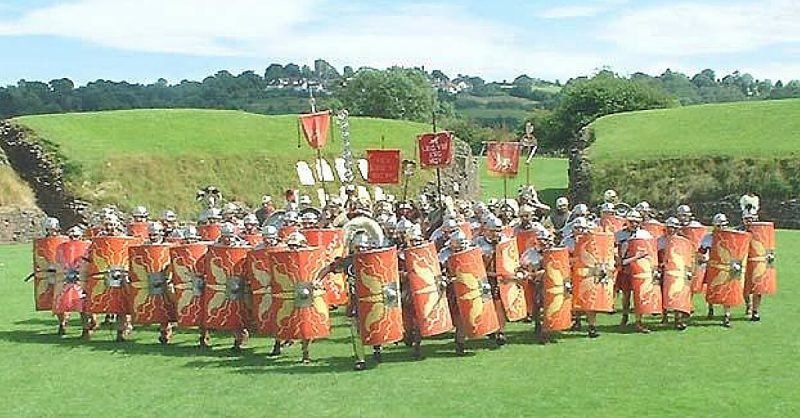
Advanced Medieval Total War Tips & Tricks for Experienced Players
Once you understand the basics, it’s time to refine your tactics and build an empire that lasts centuries.
Master Battlefield Terrain for Easy Victories
Terrain is your silent ally.
High Ground: Place archers uphill for better range and damage.
Forest Ambushes: Hide infantry or spearmen to counter cavalry charges.
Bridges: Defend bridges with spearmen for guaranteed kills.
Example: A smaller army defending a bridge with spearmen and archers can defeat a larger cavalry-heavy enemy.
Use Combined Arms Strategy
A balanced army performs better than one full of cavalry or infantry.
Ideal composition:
40% Infantry – Frontline shield wall
30% Archers – Softens enemy lines
20% Cavalry – Flanking and chasing
10% Special Units – Knights, siege engines, etc.
Pro Tip: Cavalry should never engage first; they are finishers, not starters.
Flanking Wins Battles—Every Time
Flanking is one of the strongest tactics in the entire game.
How to flank effectively:
Let your infantry engage the enemy.
Move your cavalry around the sides.
Charge from the enemy’s rear to trigger morale collapse.
In Medieval Total War, morale is everything. Units flee when surrounded or rear-attacked.
Manage Public Order to Prevent Rebellions
Rebellions destroy empires from within. Keep order high by:
Stationing garrisons
Increasing taxes only in wealthy, calm regions
Lowering taxes in newly conquered regions
Building churches, town watches, and happiness structures
Tip: Use spies to discover hidden unrest before it spreads.
Strategic Kingdom Management for Long-Term Domination
Winning the map isn’t just about battles—it’s about empire-wide planning.
Expand Slowly: Don’t Overextend
A common mistake is conquering too fast.
Dangers of overextension:
Unhappy populations
Multiple border wars
Economic collapse
Weak armies spread too thin
Best Practice: Consolidate after each major conquest.
Use Assassins, Spies & Diplomats Effectively
Silent units are incredibly powerful.
Spies help you:
Reveal enemy troop movements
Identify weak provinces
Reduce enemy public order
Assassins help you:
Kill enemy generals
Destroy infrastructure
Sabotage armies
Diplomats help you:
Buy peace
Exchange money
Forge alliances
Medieval Total War Tips & Tricks Insight: Assassinating enemy kings can destroy entire dynasties, forcing enemy factions into collapse.
Manage Religion for Stability
Religion affects morale, loyalty, and public order.
Catholic factions:
Use priests to convert regions
Avoid excommunication
Listen to the Pope—but not too much
Muslim factions:
Spread religious unity through mosques
Use imams to maintain faith
Tip: A unified religion increases taxes, loyalty, and army morale.
Battlefield Mastery How to Win Every War in Medieval Total War
Positioning Matters More Than Troop Strength
Where you place your units decides the battle:
Infantries in center
Archers behind
Cavalry on flanks
Reserve units ready to plug gaps
Counter Enemy Unit Types Properly
Use the right units to counter enemy strengths:
Spearmen > Cavalry
Archers > Light Infantry
Heavy Infantry > Archers
Cavalry > Routing Units
Siege Weapons > Fortified Positions
Pro Tip: Don’t waste cavalry charging spearmen head-on.
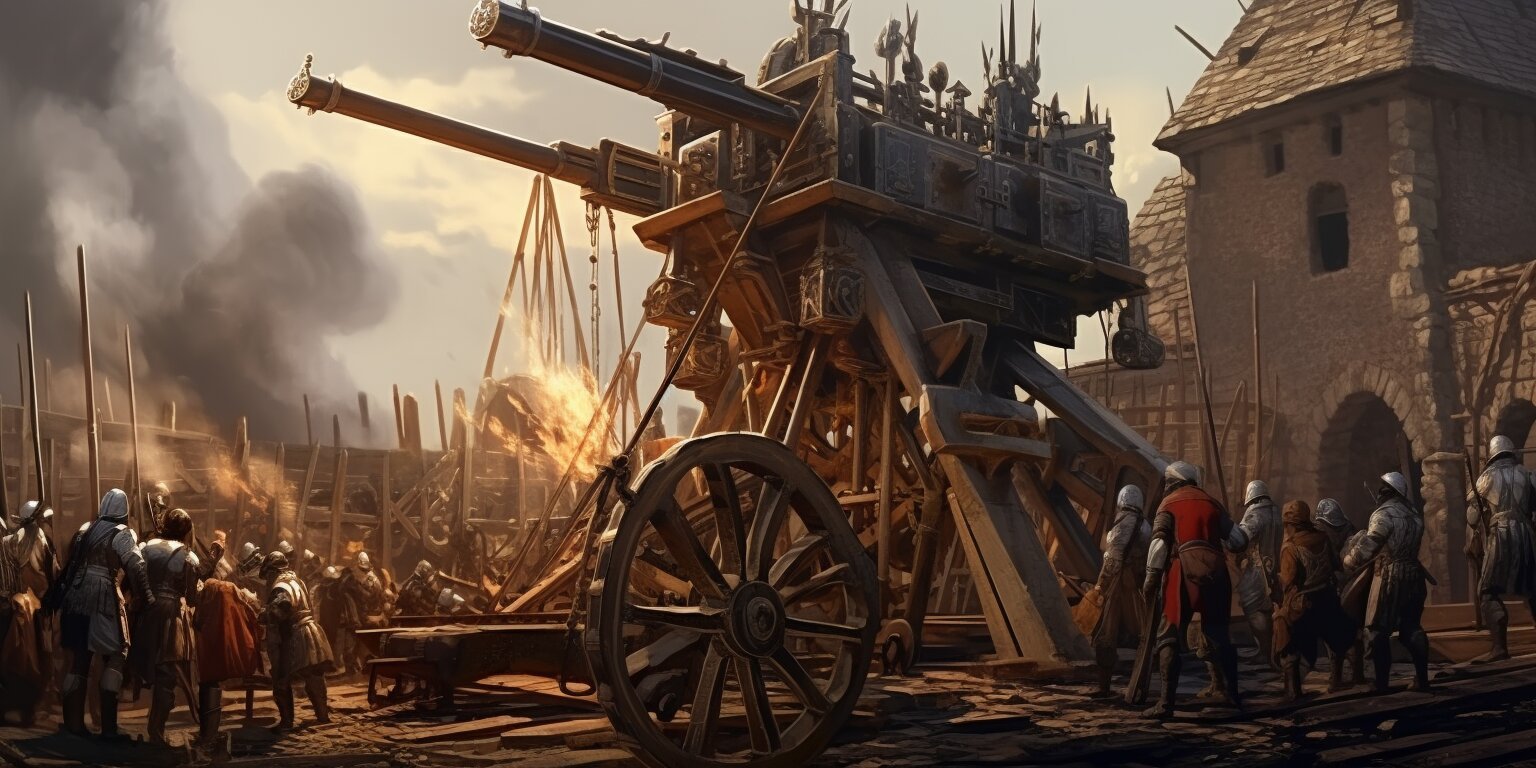
Use Siege Weapons Smartly
Trebuchets and catapults destroy walls, but also enemy morale.
Use them to:
Break gates
Kill clustered troops
Force defenders into sally battles
Tip: Always protect siege weapons with infantry.
Late-Game Strategies for Winning Medieval Total War Campaigns
Form Elite Armies for Final Push
Late game requires elite forces.
Best elite units:
Feudal Knights
Varangian Guard
Royal Knights
Longbowmen
Naffatun
Byzantine Kataphraktoi
Build military academies everywhere to continuously train elite soldiers.
Control the Seas for Economic and Military Advantage
Sea dominance = economic dominance.
Why?
More trade routes
Faster troop movement
Block enemy ports
Increase income significantly
Medieval Total War Tips & Tricks Insight: A strong navy can cripple wealthy enemies without fighting land battles.
Conclusion: Become an Unstoppable Ruler in Medieval Total War
To dominate the medieval world, you need a perfect mix of economic growth, battlefield strategy, diplomacy, and long-term planning. By applying these Medieval Total War Tips & Tricks, you’ll master every system, crush your enemies, and rise as the supreme ruler in Medieval Total War. Whether you’re leading England, the Byzantines, or the Turks, victory becomes inevitable when you play with intelligence and precision.
Use your knowledge, upgrade your armies, command with confidence—and become the strongest kingdom the game has ever seen.
FAQs — Medieval Total War Tips & Tricks
Q1. What is the best faction for beginners in Medieval Total War?
England is the easiest due to its economic stability and defensible starting location.
Q2. How do I prevent rebellions in Medieval Total War?
Lower taxes in new regions, build happiness structures, and maintain strong garrisons.
Q3. What is the most effective battle strategy?
Infantry holds the line, archers weaken the enemy, and cavalry flanks from the rear.
Q4. How important is diplomacy in Medieval Total War?
Very important—alliances help avoid multi-front wars and keep your kingdom stable.
Q5. How do I make money fast in Medieval Total War?
Upgrade farms, build ports and markets, and control key trade routes with a strong navy.