
Table of Contents
TogglePongal Festival: A Beautiful Harvest Celebration of South India
The Pongal Festival is one of the most cherished and meaningful celebrations in India, especially in the southern states where agriculture forms the heart of life and culture. This ancient harvest festival is a time when farmers thank nature, the Sun God, cattle, and the earth for providing a successful crop season. Celebrated mainly in Tamil Nadu and across Pongal Festival South India traditions, Pongal is not just a religious event it is a cultural movement that unites families, villages, and communities.
Rooted deeply in agrarian life, the Pongal Festival marks the transition from the old agricultural cycle to a fresh and hopeful new one. Homes are cleaned, colorful kolams decorate doorsteps, and the air is filled with the aroma of freshly cooked sweet rice. It is a season of gratitude, joy, and togetherness that reflects the spirit of South Indian heritage
What Is the Pongal Festival?
The Pongal Festival is a four day harvest celebration observed every year in mid January, usually from January 14 to 17. It coincides with the Sun’s movement into the zodiac sign Capricorn, a time considered highly auspicious in the Hindu calendar.
In Pongal Festival South India, this festival is more than a ritual it is a reflection of the close relationship between humans and nature. Farmers believe that thanking the Sun, rain, soil, and animals ensures prosperity in the coming year.
Meaning of Pongal
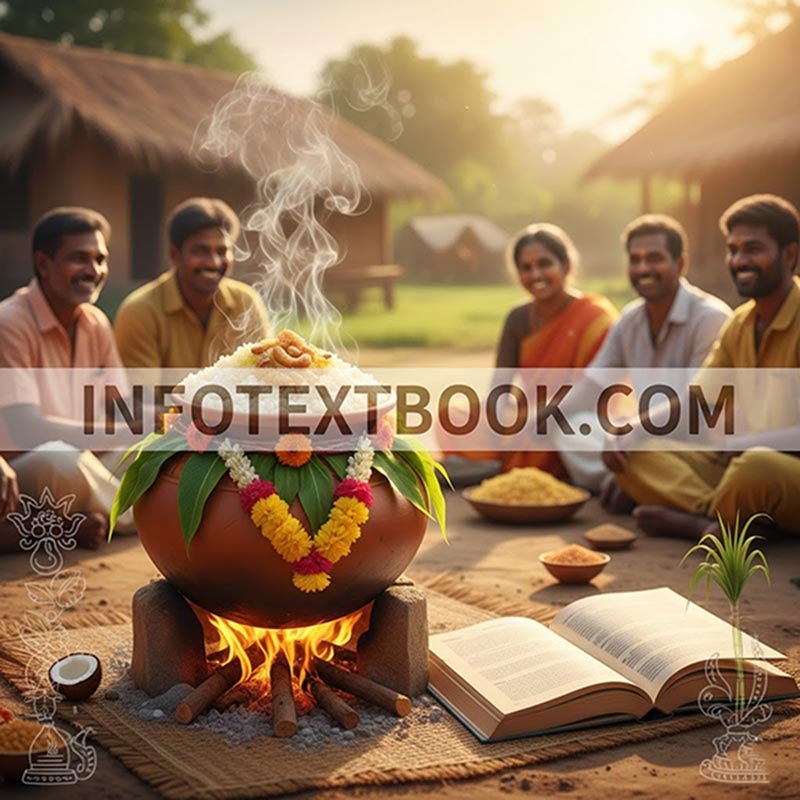
The word Pongal means to boil over or overflow in Tamil. It symbolizes abundance, prosperity, and overflowing happiness. During the Pongal Festival, a special dish also called Pongal is cooked until it spills over the pot, representing good fortune.
Why the Pongal Festival Is So Important in South India
In Pongal Festival South India, agriculture is not just an occupation it is a way of life. Most rural communities depend on crops like rice, sugarcane, and turmeric, all of which are harvested around Pongal time.
The Pongal Festival honors:
The Sun for providing energy
Rain for nourishing the crops
The land for growing food
Cattle for helping farmers plow fields
This spiritual and cultural gratitude makes Pongal unique compared to other festivals in India.
Four Days of Pongal Festival and Their Significance
The Pongal Festival is celebrated over four special days, each with its own rituals and meaning.
1. Bhogi Pongal – Letting Go of the Old
Bhogi marks the first day of the Pongal Festival. People discard old items and clean their homes to welcome new energy. Bonfires are lit in villages, symbolizing the burning of negativity and the beginning of a fresh chapter.
2. Thai Pongal – The Main Day
This is the most important day of the Pongal Festival. Families prepare sweet Pongal in clay pots and offer it to the Sun God. In Pongal Festival South India, people dress in new clothes and greet each other with warmth and happiness.
3. Mattu Pongal – Honoring Cattle
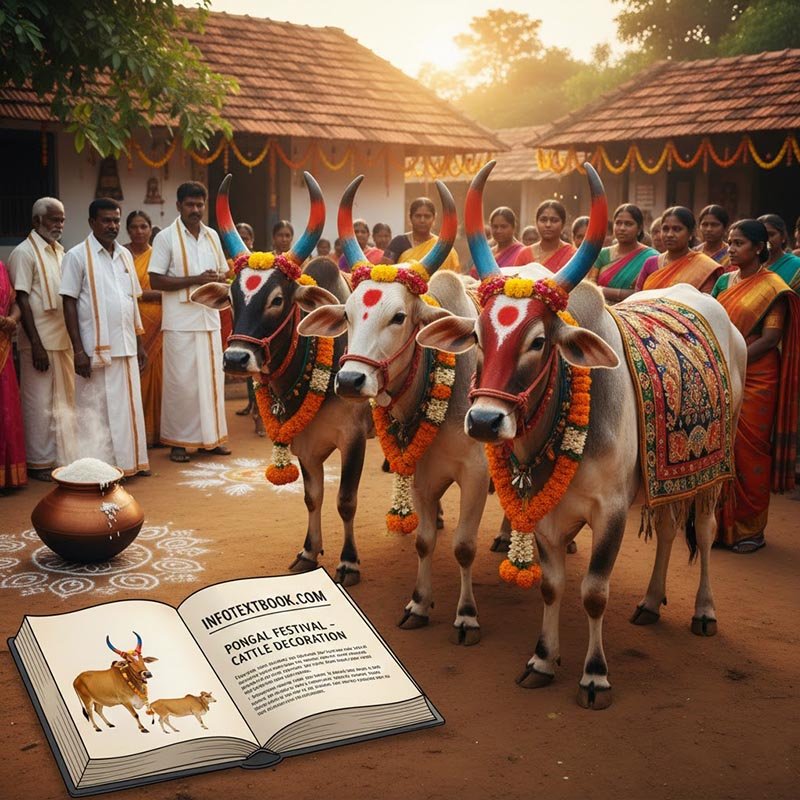
Cows and bulls play a major role in farming. On Mattu Pongal, these animals are bathed, decorated, and worshipped. The Pongal Festival acknowledges their contribution to agricultural life.
4. Kaanum Pongal – Community Day
The final day is dedicated to visiting relatives, enjoying picnics, and strengthening social bonds. It shows the community aspect of the Pongal Festival.

Traditional Foods of the Pongal Festival
Food is central to the Pongal Festival. Special dishes are prepared using freshly harvested rice, milk, jaggery, and spices.
Popular Pongal dishes include:
Sweet Pongal (Sakkarai Pongal)
Ven Pongal (Savory rice and lentils)
Sugarcane
Coconut and banana
These foods reflect the richness of Pongal Festival South India and symbolize abundance and prosperity.
Rituals and Decorations During the Pongal Festival
During the Pongal Festival, homes and streets are decorated with beautiful kolams (rangoli designs) made from rice flour. These designs welcome prosperity and positive energy.
Common traditions include:
Boiling Pongal outdoors
Decorating entrances with mango leaves
Lighting oil lamps
Wearing traditional silk attire
These rituals connect families to their cultural roots in Pongal Festival South India.
Pongal Festival and Its Cultural Significance
The Pongal Festival is not just a harvest celebration it is a reflection of Tamil identity. From folk dances to music and village fairs, Pongal showcases the artistic richness of Pongal Festival South India.
Events like Jallikattu (bull-taming sport) also take place in some regions, adding excitement to the festival.
How Pongal Festival Is Celebrated Today
Modern celebrations of the Pongal Festival now include:
Social media greetings
Office and school Pongal events
Cultural programs
Pongal-themed decorations
Even in cities, people try to keep the traditions of Pongal Festival South India alive through food, music, and rituals.
Why the Pongal Festival Still Matters
In today’s fast-moving world, the Pongal Festival reminds people to stay connected to nature and gratitude. It teaches us that success comes from harmony between humans and the environment.
For Pongal Festival South India, this celebration continues to be a bridge between tradition and modern life.
Final Thoughts
The Pongal Festival is truly a beautiful harvest celebration that brings together culture, agriculture, spirituality, and family values. Celebrated with joy and gratitude across Pongal Festival South India, it honors the earth and all the forces that make life possible. As generations change, the heart of Pongal remains the same thankfulness, togetherness, and hope for a prosperous future.
FAQs About Pongal Festival
Q1. What is the Pongal Festival?
The Pongal Festival is a four-day harvest celebration in South India that thanks the Sun, earth, and farmers for a successful crop season.
Q2. Why is Pongal important in South India?
In Pongal Festival South India, agriculture is vital, and Pongal honors the farmers, cattle, and natural elements that support farming.
3. When is the QPongal Festival celebrated?
The Pongal Festival is celebrated every year in mid-January, usually from January 14 to 17.
Q4. What food is prepared during Pongal?
Sweet and savory Pongal dishes made from rice, milk, and jaggery are prepared during the Pongal Festival.
Q5. How is Pongal celebrated today?
The Pongal Festival is now celebrated with traditional rituals, cultural events, and modern digital greetings across Pongal Festival South India.