Table of Contents
ToggleComprehensive Analysis of Putin in India – Strategic Outcomes, Defence Cooperation & Economic Impact

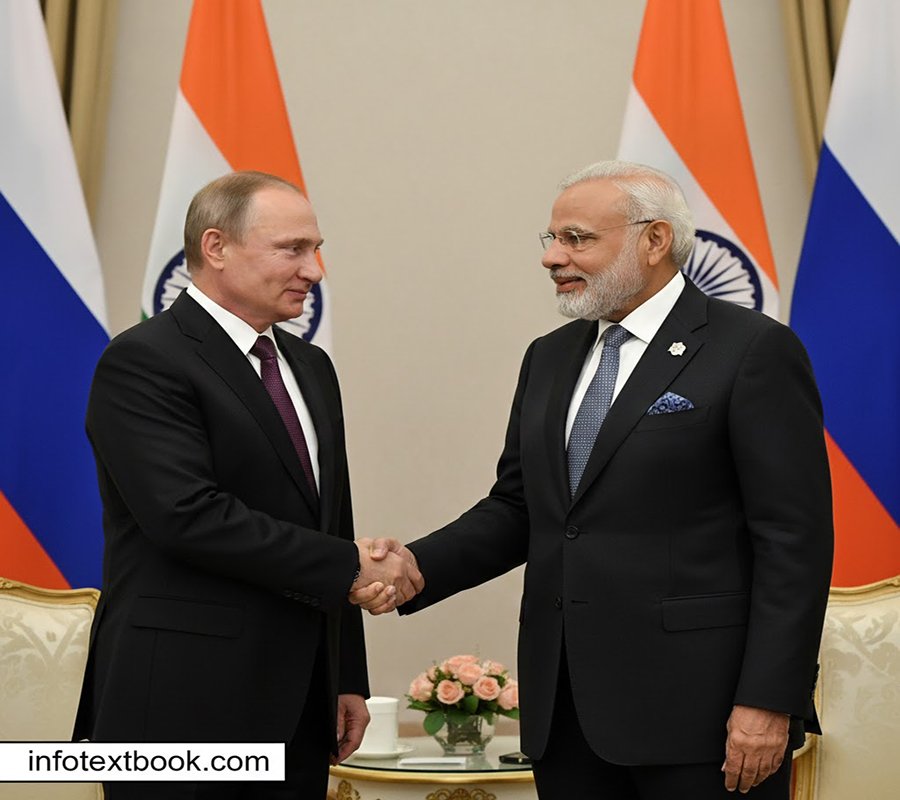
The visit of a major global leader often reshapes geopolitical conversations, and the phrase Putin in India typically signals high-level discussions on defence, diplomacy, and bilateral trade. Such engagements are known for deep strategic dialogues, long-term planning mechanisms, and review meetings that strengthen existing partnerships. In this article, we explore the possible structure, themes, and outcomes generally associated with major India–Russia summits, especially in the context of evolving global dynamics. This analytical review also highlights areas normally featured under Putin in India: Strategic Agreements, offering students, researchers, and geopolitical enthusiasts a detailed, exam-ready breakdown.
Overview of Putin in India – Strategic Goals & Diplomatic Vision
High-level summits between India and Russia generally aim to reaffirm long-standing cooperation, strengthen diplomatic trust, and expand collaboration in multi-sector areas. When analyzing Putin in India: Strategic Agreements, it’s important to understand the broader objectives that shape such engagements.
Typical Objectives of High-Level India–Russia Summits
Review existing defence partnerships
Expand energy cooperation, including nuclear and hydrocarbons
Strengthen trade mechanisms
Enhance strategic communication on regional and global issues
Deepen cooperation in space, science, and technology
These objectives serve as the foundation for any long-term diplomatic outcome and provide a structured framework for comprehensive bilateral engagements.
Strategic Agreements – What Putin in India Usually Focuses On
This section highlights the depth and nature of cooperation typically discussed under Putin in India: Strategic Agreements, especially focusing on key policy areas.
1. Defence and Security Cooperation
India and Russia share one of the world’s longest-running defence relationships. Summits commonly review:
Joint production of defence equipment
Technology transfer agreements
Maintenance and modernization of existing platforms
Maritime security and naval cooperation
Counterterrorism strategies
These discussions help both nations maintain robust defence preparedness while diversifying technological capabilities.
2. Nuclear Energy and Civilian Atomic Collaboration
India–Russia nuclear cooperation spans decades. High-level visits often reinforce:
Expansion of civilian nuclear power projects
Joint research in new nuclear technologies
Skill development in nuclear engineering
Long-term fuel supply mechanisms
Such agreements strengthen India’s energy security and sustainable development goals.
3. Trade Agreements and Economic Roadmaps
When evaluating Putin in India, trade consistently emerges as a priority. Dialogues often include:
Targeted trade volume growth plans
Simplification of customs procedures
Cooperation in sectors like pharmaceuticals, metallurgy, and chemicals
Integration of financial payment systems for smoother trade
Enhanced agricultural exports and imports
These strategies aim to diversify trade and reduce logistical challenges.
4. Energy and Hydrocarbon Partnerships
Energy engagement is central to India–Russia relations. Summits usually address:
Long-term oil supply agreements
Collaboration in LNG transport and storage
Refinery technology partnerships
Joint exploration projects
Energy cooperation enables India to secure reliable sources while enhancing its refining capacities.
5. Science, Space & Technology Collaboration
India and Russia have a legacy of space collaboration. High-level visits may reinforce:
Satellite development partnerships
Space exploration projects
Advanced science & technology exchanges
Joint research in AI and cybersecurity
Such agreements contribute to technological modernization and innovation ecosystems.
Defence Talks Core Highlight of Putin in India Summit Structure
Defence cooperation remains the backbone of India–Russia relations. During any summit, defence talks occupy a large portion of the agenda, making this an essential segment for competitive exam preparation and geopolitical analysis.
1. Joint Military Exercises
India and Russia regularly conduct exercises across land, air, and sea. High-level talks typically review:
Scope of future exercises
Joint training initiatives
Inter-operability mechanisms
Personnel exchange programs
These exercises improve tactical understanding and operational synergy.
2. Technology Transfer & Local Manufacturing
Key areas of focus:
Expansion of “Make in India” defence projects
Transfer of advanced technology
Long-term service and maintenance contracts
Co-development of next-generation jets, helicopters, or naval systems
These collaborations promote India’s defence self-reliance.
3. Maritime Security & Indo-Pacific Discussions
Maritime cooperation often includes:
Submarine technology
Naval shipbuilding
Anti-piracy coordination
Blue economy initiatives
Such maritime discussions strengthen India’s regional security presence.
4. Cybersecurity & Intelligence Sharing
Emerging threats require joint responses. Areas addressed may include:
Cyber threat intelligence
Secure communication channels
Joint cyber drills
AI-based security algorithms
Cybersecurity collaboration is increasingly crucial in the digital era.
Economic Impact of High Level Summits Broader View of Putin in India
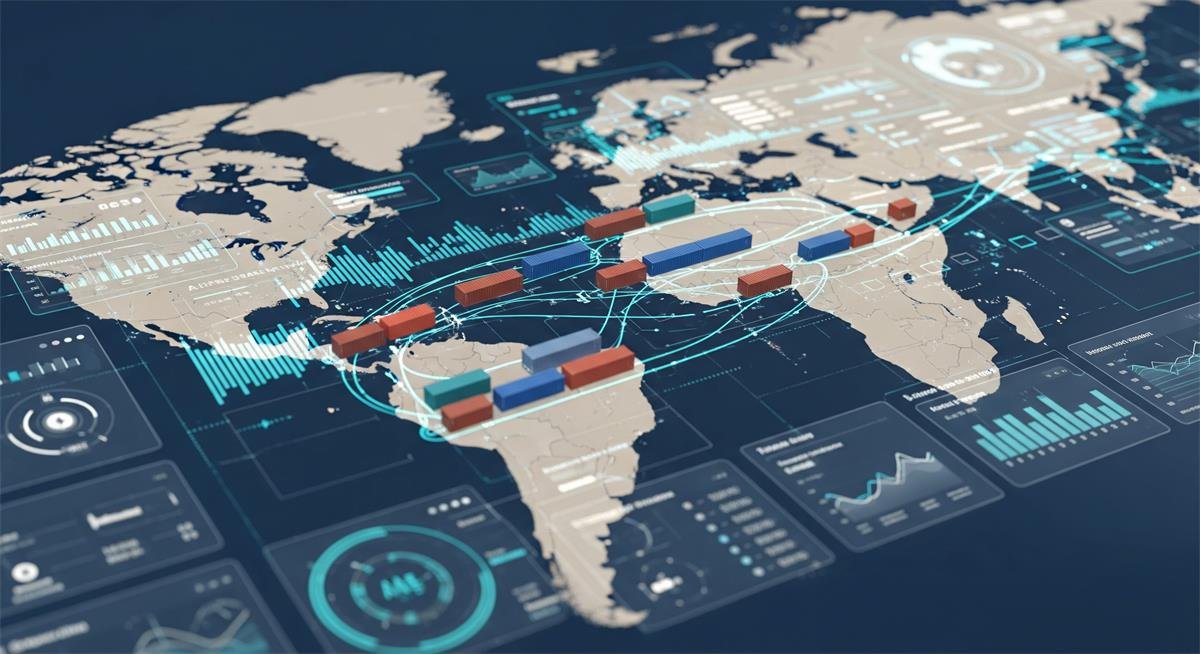
Economic cooperation forms a major pillar of bilateral relations. Assessing the economic impact of Putin in India allows students and professionals to understand long-term infrastructural and trade gains.
1. Impact on Trade Volumes
Key outcomes generally observed:
Increased bilateral trade diversification
Stable long-term supply contracts
New market access for emerging sectors
Trade deals lead to positive ripple effects across industries.
2. Boost to Energy Security
Typical benefits:
Sustainable oil sourcing
Reduced global supply vulnerabilities
Access to long-term energy investments
Expansion of refining technology
Energy cooperation enhances India’s long-term strategic resilience.
3. Technology & Industrial Growth
High-leader visits often accelerate:
Defence manufacturing setups
Joint ventures in electronics
Innovation in green energy
Infrastructure development
This increases employment generation and boosts domestic manufacturing.
4. Regional Connectivity Projects
Common areas of focus:
Transport corridors
Maritime transport agreements
Industrial clusters
Special economic partnerships
Connectivity projects support India’s long-term strategic positioning.
Cultural & Soft Power Dimensions of Putin in India Visits
Beyond economics and defence, diplomacy often extends to people-to-people and cultural dimensions.
1. Educational Partnerships
Areas usually discussed:
University-level exchange programs
Scholarships and student mobility
Joint research centers
Language and cultural courses
2. Tourism Promotion
Summits may discuss:
Simplified travel procedures
Cultural festivals
Film industry cooperation
Historical and heritage exchanges
3. Diaspora Engagement
The Indian community’s role often includes:
Business forums
Cultural promotion
Technology and innovation contributions
Geopolitical Significance Understanding the Larger Impact
1. Global Power Balance & Multi-Polar Diplomacy
India’s foreign policy focuses on strategic autonomy. High-level summits help:
Maintain balance in global power dynamics
Strengthen multi-polarity
Encourage independent foreign policy decisions
2. Regional Security Collaboration
Focus areas:
Peace in Eurasia
Counterterrorism
Maritime stability
Strategic deterrence
3. Multilateral Engagements
Summits often influence cooperation in:
Global economic institutions
Climate forums
Regional security groupings
Conclusion
The visit symbolized by Putin in India represents more than diplomatic courtesy—it reflects a deep, long-standing partnership shaped by defence cooperation, economic agreements, technological collaboration, and geopolitical strategy. By understanding the core themes behind Putin in India: Strategic Agreements, students, researchers, and policy analysts can decode the long-term trajectory of bilateral relations. Such summits play a crucial role in shaping energy security, trade expansion, defence modernization, and global strategic alignment. As the relationship continues to evolve, the dialogue between India and Russia remains central to regional stability and sustainable development.
FAQs
Q1. What is usually discussed during Putin in India visits?
They typically focus on defence cooperation, energy partnerships, trade expansion, and strategic geopolitical dialogues.
Q2. Why are Putin in India: Strategic Agreements important for exams?
They cover defence, economy, energy, and international relations—topics commonly tested in UPSC, SSC, banking, and state-level exams.
Q3. Do high-level summits influence India’s energy security?
Yes. Such dialogues help secure long-term oil, gas, and nuclear energy cooperation.
Q4. How does defence cooperation benefit India?
It strengthens technology transfer, joint manufacturing, military preparedness, and maritime security.
Q5. What is the long-term impact of bilateral strategic agreements?
They enhance economic stability, defence modernization, technological growth, and global diplomatic positioning.