

Table of Contents
ToggleBreaking: Rainbow Six Siege Hacked? Full Security Breakdown
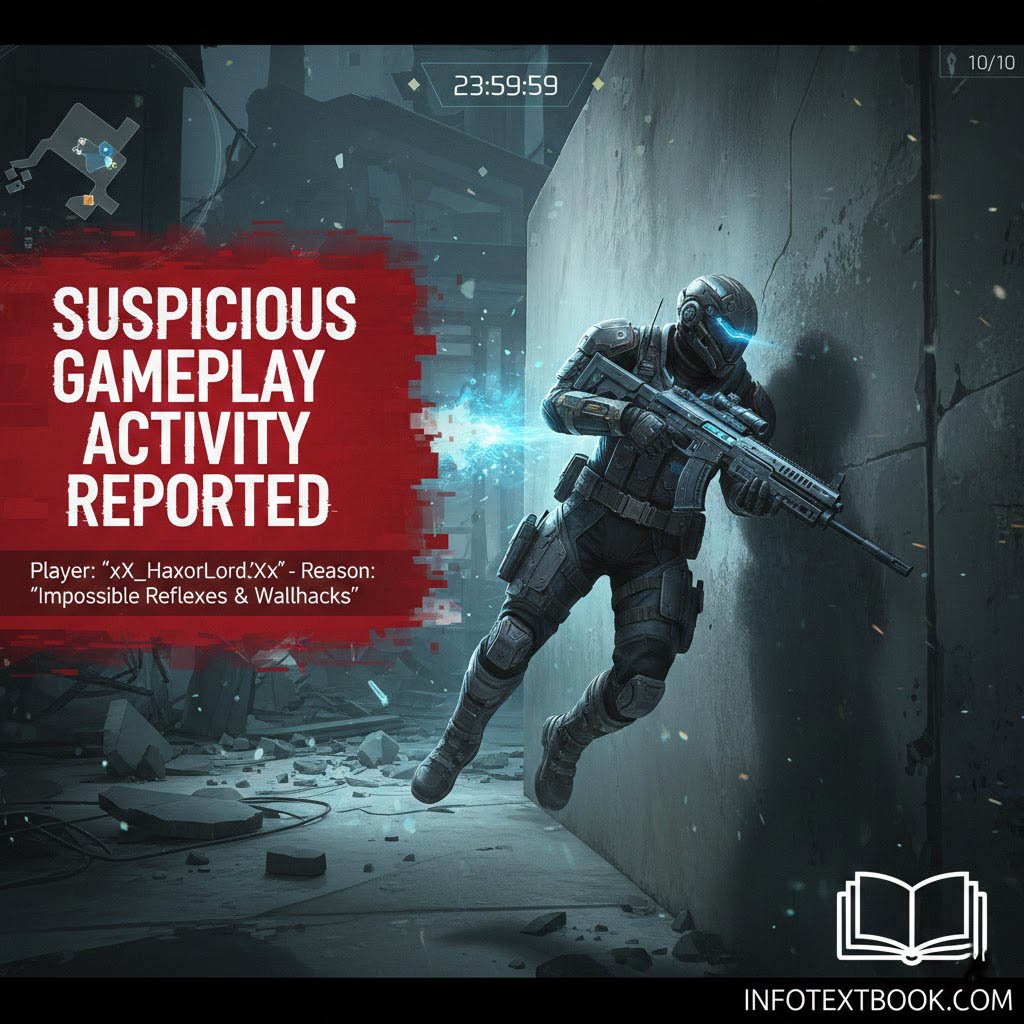
The gaming community has been buzzing with concern following reports suggesting Rainbow Six Siege Hacked incidents across multiple regions. Players have reported unusual gameplay behavior, suspicious account activity, and unexpected server disruptions, raising serious questions about the game’s security infrastructure. As one of Ubisoft’s most competitive tactical shooters, any breach real or rumored has immediate implications for millions of active users worldwide.
In this in-depth breakdown, we examine what actually happened, how credible the hacking claims are, Ubisoft’s response, and what players should do right now to protect their accounts.
What Triggered the Hacking Rumors?
The initial wave of concern began when players noticed abnormal in-game activities such as impossible operator abilities, invincibility glitches, and sudden rank changes. Social media platforms and gaming forums quickly filled with clips and screenshots, fueling speculation that Rainbow Six Siege Hacked exploits were circulating unchecked.
Several high-profile streamers also reported unusual matchmaking behavior, which amplified the issue and drew wider attention from the community.
However, it’s important to distinguish between confirmed security breaches and exploit abuse caused by bugs or third-party cheat software.
Was There an Actual Security Breach?
As of the latest updates, there is no official confirmation of a full-scale data breach involving Ubisoft servers. Most cybersecurity analysts suggest the situation is more likely related to:
Advanced cheat engines bypassing detection
Temporary server-side vulnerabilities
Exploit abuse following a recent update
Account compromises due to weak passwords or phishing
This means reports of Rainbow Six Siege Hacked servers may stem from external cheating tools rather than a direct compromise of Ubisoft’s core systems.
Ubisoft’s Official Response
Ubisoft responded quickly by issuing a security statement acknowledging increased exploit activity. The company confirmed that:
No user passwords were leaked from Ubisoft databases
No payment or personal data breach was detected
Anti-cheat systems were actively updated
A hotfix was deployed to address the exploit vectors
Ubisoft also temporarily increased real-time monitoring of ranked matches to detect abnormal patterns and ban offenders faster.
Their transparency helped calm fears, though players remain cautious.
How Hackers and Cheaters Operate in Siege
To understand why these incidents happen, it’s important to know how modern cheating works. Hack developers typically exploit:
Memory injection tools
Kernel-level cheat drivers
Packet manipulation
Exploited game patches
These methods allow cheaters to bypass detection temporarily until anti-cheat systems adapt. This cat-and-mouse cycle is common in competitive multiplayer games.
While unsettling, this does not automatically mean the entire platform is compromised or that Ubisoft systems were breached.
What Players Should Do Immediately
Even without a confirmed breach, players should take proactive steps to secure their accounts. If you’re worried about Rainbow Six Siege Hacked risks, follow these best practices:
Account Protection Steps
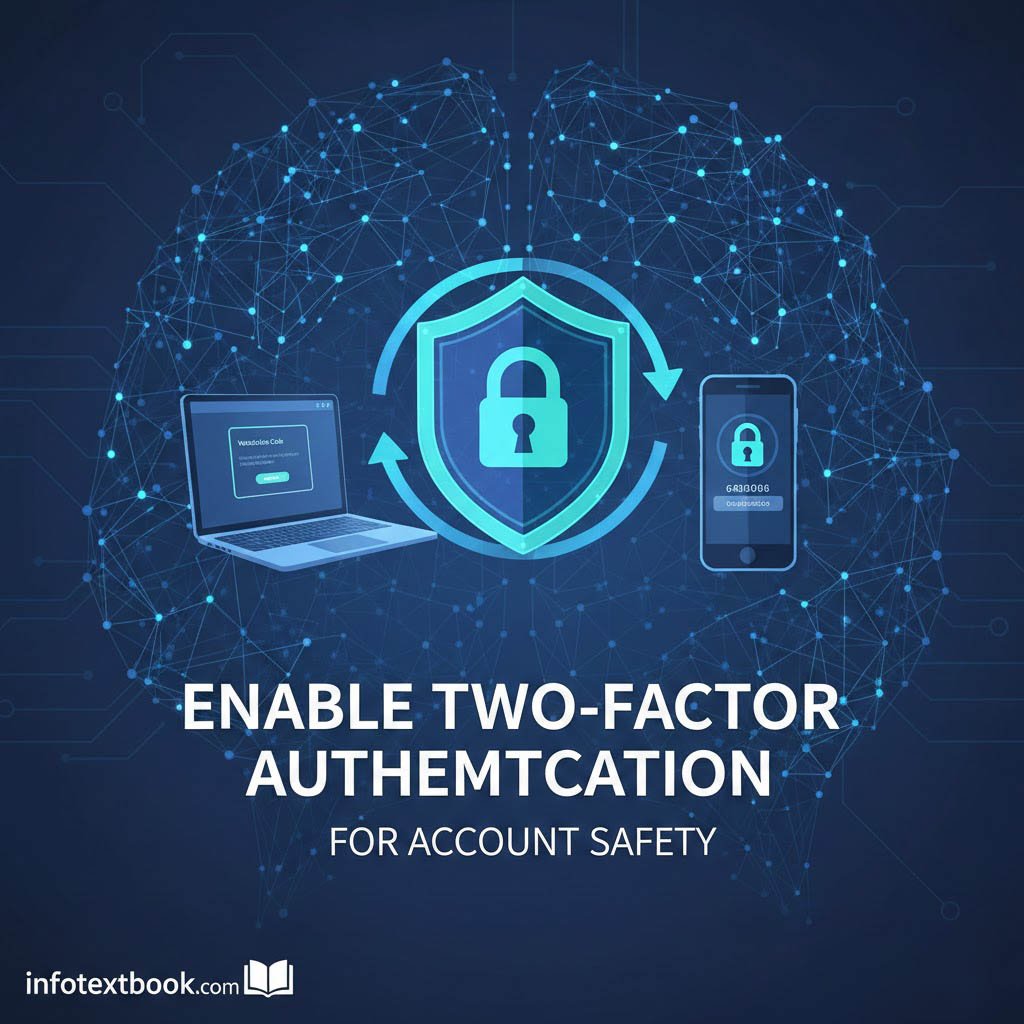
Enable Two-Factor Authentication (2FA) on your Ubisoft account
Change your password immediately and avoid reuse
Avoid third-party skins, boosters, or mod tools
Do not click unknown links claiming free rewards
Log out from shared or public devices
In-Game Safety Tips
Report suspicious players using in-game tools
Avoid ranked matches if exploits surge temporarily
Keep the game client fully updated
These actions dramatically reduce the risk of account compromise.
Impact on Competitive and Esports Scene
The Siege esports ecosystem felt immediate pressure as tournament organizers increased security checks. Competitive integrity is critical, and even rumors of Rainbow Six Siege Hacked environments can damage trust.
Several leagues temporarily enforced stricter client-side checks and required updated anti-cheat verification before matches resumed.
Fortunately, no professional player accounts were reported compromised.
Is Rainbow Six Siege Still Safe to Play?
Yes based on all available evidence, Rainbow Six Siege remains safe for casual and competitive players. While exploit abuse is frustrating, Ubisoft’s fast response and lack of confirmed data breaches indicate strong backend security.
Like most live-service games, Siege faces constant threats from cheat developers, but that does not equal a system-wide hack.
Final Verdict
So, was Rainbow Six Siege hacked? The evidence points toward exploit abuse rather than a full security breach. While the situation was alarming, Ubisoft’s response and ongoing fixes suggest the threat has been contained.
As long as players remain vigilant and follow security best practices, the game remains safe and competitive. Reports of Rainbow Six Siege Hacked incidents serve as a reminder that cybersecurity is an ongoing battle one that developers and players must fight together.
Frequently Asked Questions (FAQs)
Q1. Was Rainbow Six Siege really hacked?
There is no official confirmation of a full server or data breach. Most reports point to exploit abuse and advanced cheating tools rather than Ubisoft’s systems being compromised.
Q2. Are player accounts at risk right now?
Player accounts are generally safe, but risks increase if users reuse passwords or fall for phishing links. Enabling two-factor authentication greatly improves account security.
Q3. Did Ubisoft confirm any data leak?
No. Ubisoft has stated that no personal data, passwords, or payment information were leaked during the incident.
4. Why do hacking rumors spread so quickly in Rainbow Six Siege?
Because Rainbow Six Siege is a highly competitive game, unusual gameplay behavior, exploits, or cheating can quickly be mistaken for large-scale hacking incidents.
Q5. What should I do if I suspect suspicious activity?
Change your password immediately, enable 2FA, avoid third-party tools, and report suspicious players through the in-game reporting system.