
Table of Contents
ToggleYoga for BP Control at Home – A Complete Natural Guide for Healthy Living
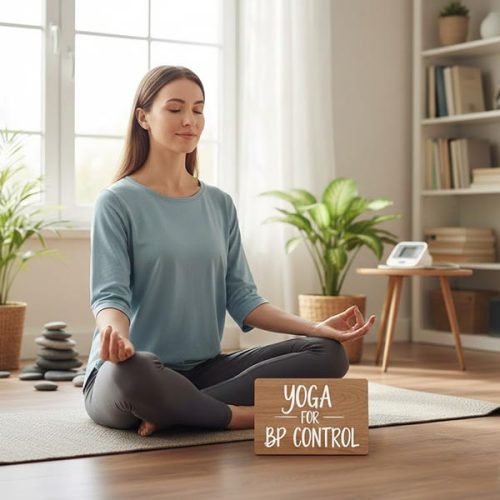
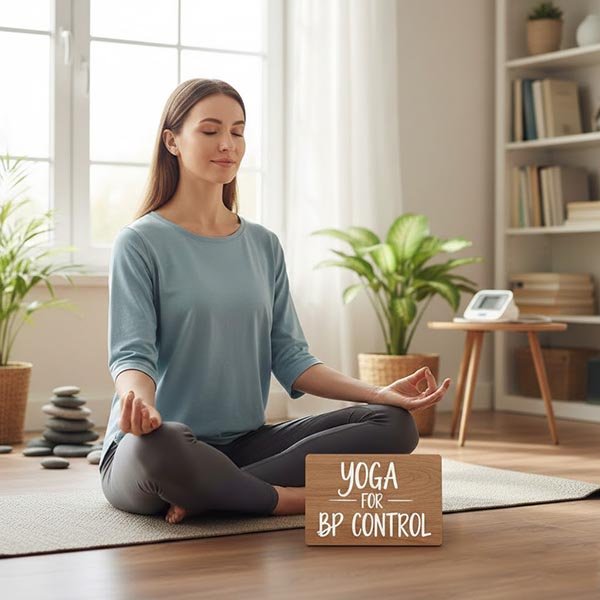
High blood pressure, also known as hypertension, has become one of the most common lifestyle-related health concerns today. Stress, lack of physical activity, unhealthy eating habits, and poor sleep patterns contribute significantly to rising BP levels. Practicing Yoga for BP Control at Home is one of the most effective, natural, and sustainable ways to manage blood pressure without depending solely on medication.
This comprehensive guide explains how yoga works for BP management, which yoga practices are most effective, and how you can safely follow a home-based routine to support long-term heart health.
Understanding High Blood Pressure and Its Impact on Health
High blood pressure occurs when the force of blood against artery walls remains consistently high. Over time, this condition strains the heart and blood vessels, increasing the risk of serious complications.
Common Causes of High Blood Pressure
Chronic stress and anxiety
Excess salt intake
Sedentary lifestyle
Obesity and poor metabolism
Irregular sleep patterns
Hormonal imbalance
Why Lifestyle Management Is Crucial
While medication can help control BP, long-term management requires lifestyle changes. This is where Yoga for BP Control at Home Reduce Blood Pressure techniques play a vital role by addressing both physical and mental factors.
How Yoga for BP Control at Home Works Naturally
Yoga is not just physical exercise; it is a holistic system that balances the body, mind, and nervous system. When practiced regularly, Yoga for BP Control at Home helps regulate blood pressure naturally.
Scientific Benefits of Yoga for Blood Pressure
Reduces stress hormone levels
Improves blood circulation
Enhances parasympathetic nervous system activity
Lowers heart rate
Improves oxygen supply
Yoga vs Conventional Exercise
Unlike intense workouts that may temporarily increase BP, yoga focuses on controlled movement, breathing, and relaxation, making it safe for people with hypertension.
Best Time and Environment to Practice Yoga for BP Control at Home
Consistency is more important than intensity when it comes to BP management.
Ideal Time
Early morning on an empty stomach
Evening sessions at least 3 hours after meals
Ideal Environment
Quiet, ventilated room
Comfortable yoga mat
Loose, breathable clothing
Calm lighting
Practicing Yoga for BP Control at Home Reduce Blood Pressure in a peaceful environment enhances relaxation and effectiveness.

Breathing Techniques (Pranayama) for BP Control
Breathing practices are the foundation of yoga for hypertension.
Deep Breathing (Diaphragmatic Breathing)
Benefits:
Reduces stress
Slows heart rate
Improves oxygen flow
How to practice:
Sit comfortably
Inhale deeply through the nose
Exhale slowly
Repeat for 5–10 minutes
Anulom Vilom (Alternate Nostril Breathing)
Benefits:
Balances nervous system
Reduces anxiety
Improves cardiovascular function
Steps:
Close the right nostril and inhale through the left
Close the left nostril and exhale through the right
Repeat alternately
Bhramari (Humming Bee Breathing)
Benefits:
Calms the mind
Reduces mental agitation
Supports BP stability
These breathing techniques are essential parts of Yoga for BP Control at Home routines.
Safe Yoga Asanas for BP Control at Home
Gentle yoga postures improve circulation and calm the nervous system.
Sukhasana (Easy Pose)
Improves posture
Supports meditation
Enhances breathing awareness
Vajrasana (Thunderbolt Pose)
Improves digestion
Reduces stress
Stabilizes BP
Balasana (Child’s Pose)
Relieves tension
Calms the brain
Promotes relaxation
Setu Bandhasana (Bridge Pose – Gentle Version)
Improves blood flow
Strengthens heart muscles
Reduces fatigue
Avoid extreme inversions unless guided by a professional. Gentle movements are key in Yoga for BP Control at Home Reduce Blood Pressure plans.

Meditation and Relaxation for Blood Pressure Control
Mental stress is one of the biggest triggers of high BP.
Guided Meditation
Benefits:
Lowers cortisol levels
Improves emotional balance
Enhances heart rhythm
How to practice:
Sit or lie comfortably
Focus on breathing
Observe thoughts without judgment
Practice for 10–15 minutes
Yoga Nidra (Yogic Sleep)
Yoga Nidra deeply relaxes the nervous system and supports long-term BP stability.
Daily Yoga Routine for BP Control at Home
A simple 30-minute routine can deliver consistent results.
Sample Routine
Gentle stretching – 5 minutes
Pranayama – 10 minutes
Yoga asanas – 10 minutes
Meditation or relaxation – 5 minutes
Consistency with Yoga for BP Control at Home brings gradual but lasting improvement.
Lifestyle Support Along with Yoga
Yoga works best when combined with healthy habits.
Diet Tips
Reduce salt intake
Eat fresh fruits and vegetables
Avoid processed foods
Stay hydrated
Sleep and Stress Management
Maintain regular sleep schedule
Limit screen time
Practice mindfulness
What to Avoid
Smoking
Excessive caffeine
Heavy late-night meals
These habits amplify the benefits of Yoga for BP Control at Home Reduce Blood Pressure practices

Who Can Practice Yoga for BP Control at Home?
Yoga is suitable for:
Adults with mild to moderate hypertension
Seniors under guidance
People with stress-related BP issues
Safety Tips
Start slow
Avoid breath retention
Stop if dizziness occurs
Consult a healthcare professional if needed
Common Myths About Yoga and Blood Pressure
Myth 1 – Yoga Works Instantly
Reality: Yoga requires consistent practice over weeks.
Myth 2 – Only Advanced Yoga Helps
Reality: Simple breathing and relaxation techniques are most effective.
Myth 3 – Yoga Replaces Medication
Reality: Yoga complements medical treatment, not replaces it.
Long-Term Benefits of Yoga for BP Control at Home
Regular practice results in:
Improved heart health
Reduced anxiety
Better sleep quality
Enhanced energy levels
Improved overall well-being
Over time, Yoga for BP Control at Home supports a healthier and more balanced life.
Conclusion
Managing hypertension naturally is possible with consistency, awareness, and mindful practices. Yoga for BP Control at Home offers a safe, effective, and sustainable approach to reducing blood pressure by addressing both physical and mental causes. By combining gentle yoga postures, breathing techniques, meditation, and healthy lifestyle habits, individuals can experience long-term BP stability and improved quality of life. Start small, stay consistent, and allow yoga to guide you toward natural blood pressure balance.
Frequently Asked Questions (FAQs)
Q1. Is Yoga for BP Control at Home safe for high blood pressure patients?
Yes, gentle yoga and breathing practices are generally safe when done correctly and consistently.
Q2. How long does yoga take to reduce blood pressure naturally?
Noticeable improvements may appear within 4–8 weeks of regular practice.
Q3. Can beginners practice Yoga for BP Control at Home?
Absolutely. Beginners should start with simple breathing and gentle postures.
Q4. Which breathing exercise is best for BP control?
Anulom Vilom and deep breathing are highly effective for BP regulation.
Q5. Can yoga replace BP medication?
No. Yoga supports BP control but should complement medical advice and treatment.