
Table of Contents
ToggleThe Science Behind Successful Learning: 10 Proven Strategies to Learn Faster and Remember More
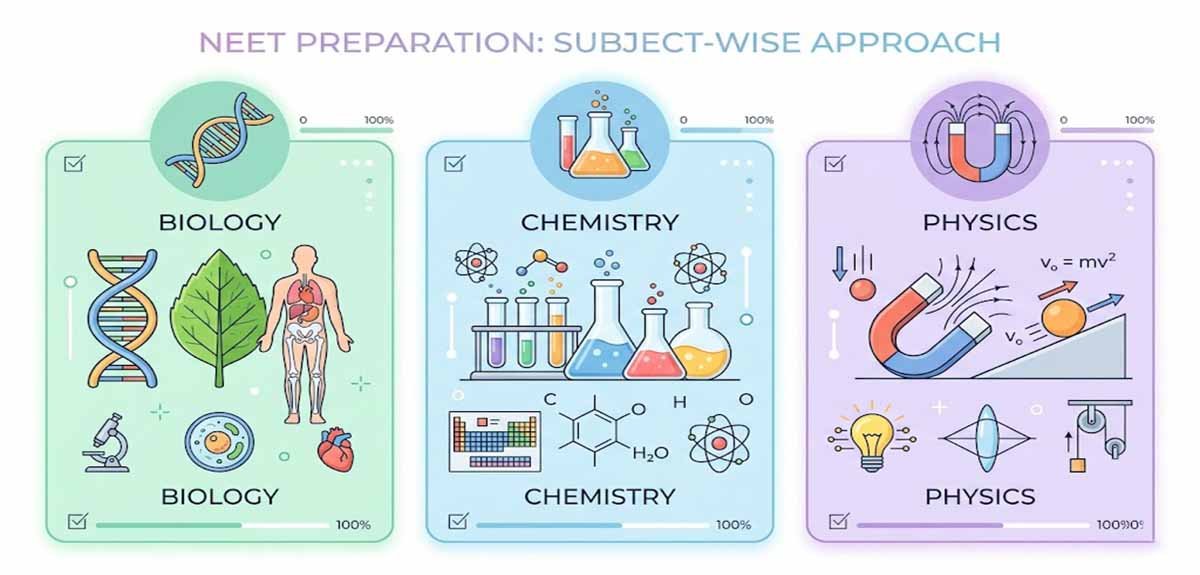
The Science Behind Successful Learning is a fascinating field that explains how the brain acquires, stores, and recalls information. Many students spend long hours studying but do not always achieve the results they expect. The reason is simple: successful learning is not just about spending more time with books; it is about using scientifically proven learning techniques.
Research in cognitive psychology and neuroscience has revealed several methods that can help students learn more efficiently, retain information longer, and improve academic performance. Understanding The Science Behind Successful Learning can help students study smarter rather than harder.
How the Brain Learns
The human brain constantly processes information through neural connections. When you learn something new, your brain creates and strengthens these connections. Repeated practice and review make these pathways stronger, making it easier to remember information later.
Learning occurs in three major stages:
1. Encoding
Encoding is the process of receiving and understanding new information.
2. Storage
The brain stores information in short-term and long-term memory.
3. Retrieval
Retrieval is the ability to recall stored information when needed.
The stronger these processes become, the more effective learning becomes.
Why Active Learning Works
The Science Behind Successful Learning is active engagement. Passive reading often leads to poor retention, while active learning encourages deeper understanding.
Examples of active learning include:
- Taking notes in your own words
- Teaching concepts to others
- Participating in discussions
- Solving practice questions
- Creating mind maps
Students who actively engage with study materials typically remember information much longer than those who simply read textbooks.
Why Sleep Is Essential for Learning
Many students sacrifice sleep to study longer. However, research shows that sleep plays a critical role in memory formation.
During sleep, the brain:
- Consolidates memories
- Processes information learned during the day
- Strengthens neural connections
- Improves problem-solving abilities
Students who get seven to nine hours of quality sleep often perform better academically than those who stay awake late studying.
The Role of Focus and Attention
Attention is the foundation of learning. Without focus, information cannot be effectively encoded into memory.
To improve concentration:
- Study in a quiet environment
- Turn off phone notifications
- Use the Pomodoro Technique
- Take short breaks between study sessions
- Set specific learning goals
Improved focus leads to better understanding and stronger memory retention.
Retrieval Practice: The Secret to Better Memory
Another important concept in The Science Behind Successful Learning is retrieval practice. Instead of repeatedly reading notes, students should test themselves regularly.
Effective retrieval techniques include:
- Practice quizzes
- Flashcards
- Mock exams
- Self-questioning
Every time you recall information, your brain strengthens memory pathways, making future recall easier.
How Exercise Improves Learning
Physical activity does more than improve physical health. It also boosts brain function.
Regular exercise can:
- Increase blood flow to the brain
- Improve concentration
- Reduce stress
- Enhance memory
- Support cognitive performance
Even a short walk before studying can improve focus and learning efficiency.
The Importance of Growth Mindset
A growth mindset is the belief that intelligence and abilities can improve through effort and practice.
Students with a growth mindset:
- View challenges as opportunities
- Learn from mistakes
- Stay motivated during difficulties
- Develop resilience
Research shows that students who adopt a growth mindset often achieve higher academic success than those who believe intelligence is fixed.
Learning Through Multiple Senses
Using multiple senses during learning improves understanding and memory.
Examples include:
- Reading information aloud
- Watching educational videos
- Drawing diagrams
- Listening to explanations
- Writing summaries
When multiple parts of the brain are involved, information becomes easier to remember and retrieve.
Creating an Effective Learning Environment
Your study environment can greatly influence learning outcomes.
A productive study space should have:
- Good lighting
- Comfortable seating
- Minimal distractions
- Organized materials
- Proper ventilation
A well-designed environment helps maintain focus and supports long study sessions.

Conclusion
Understanding The Science Behind Successful Learning can transform the way students approach education. Scientific research shows that active learning, spaced repetition, retrieval practice, quality sleep, exercise, and focused attention all contribute to stronger memory and improved academic performance.
Instead of relying on outdated study habits, students can use evidence-based techniques to learn more effectively and achieve better results. By applying these principles consistently, anyone can improve their learning abilities and reach their educational goals.
Frequently Asked Questions (FAQs)
1. What is the science behind successful learning?
The science behind successful learning refers to research-based methods that help the brain learn, store, and recall information more effectively.
2. Why is spaced repetition important?
Spaced repetition strengthens long-term memory by reviewing information at increasing intervals over time.
3. How does sleep affect learning?
Sleep helps consolidate memories, improve focus, and enhance overall cognitive performance.
4. What is retrieval practice?
Retrieval practice involves recalling information through quizzes, flashcards, and self-testing to strengthen memory.
5. Can exercise improve academic performance?
Yes. Regular exercise boosts brain function, concentration, memory, and learning efficiency.